
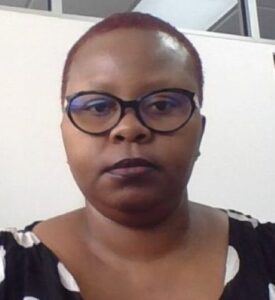
What inspired you to work in health in Africa?
My inspiration to work in health in Africa comes from a deep belief that health is a human right and that no one should be denied the opportunity to live a healthy and dignified life because of their gender, socioeconomic status, or where they are born. Throughout my journey, I have become increasingly aware of how inequalities shape health outcomes, particularly for women and girls who often face multiple barriers to accessing quality healthcare and exercising their rights. I am passionate about addressing the root causes of these inequities, including gender discrimination, harmful social norms, and unequal access to resources and opportunities.
For me, improving health is not only about delivering services; it is about advancing justice, empowering communities, and ensuring that the voices of those most affected are heard and valued. Africa is home to remarkable resilience, innovation, and leadership, especially among women working to transform their communities.
Being part of efforts to strengthen equitable, rights-based health systems and promote gender equality is both a professional commitment and a personal calling. I am motivated by the possibility of contributing to a future where everyone, regardless of gender or circumstance, can achieve their full health and well-being potential.
What is one success you’re proud of?
One success I am particularly proud of is advancing the integration of gender equality and human rights into health programmes and policy discussions. In my work, I recognized that health outcomes are often shaped by factors beyond healthcare, including gender norms, discrimination, and unequal access to resources. I worked closely with partners and stakeholders to ensure that gender and equity considerations were incorporated into health planning and decision-making. Through advocacy, collaboration, and evidence-based discussions, I helped shift the focus from purely technical interventions to approaches that addressed the underlying barriers affecting women, girls, and other marginalized populations. This achievement is meaningful because it contributed to stronger commitment among stakeholders to design more inclusive and responsive health programmes. It reinforced my belief that sustainable improvements in health require addressing the root causes of inequality. Seeing greater recognition of gender equality and human rights as essential components of better health outcomes was incredibly rewarding and strengthened my commitment to building equitable health systems where no one is left behind.
What’s the hardest part of your work as a woman in health leadership? How are you tackling it?
One of the hardest parts of my work as a woman in health leadership is navigating spaces where gender equality is widely recognized as important but is not always prioritised in decision-making. Too often, issues that disproportionately affect women and girls are viewed as secondary rather than fundamental to achieving better health outcomes. I have also experienced situations where women leaders must work harder to have their expertise recognized, influence decisions, or secure a seat at the table. I tackle this challenge by remaining focused on evidence, building strong partnerships, and creating opportunities for meaningful dialogue. I work to ensure that gender equality and human rights are not treated as standalone issues, but as essential components of effective and equitable health systems. I also make a conscious effort to mentor and support other women, recognizing the importance of creating pathways for future leaders. Most importantly, I lead with resilience and purpose. The challenges are real, but so is the opportunity to drive change. Seeing greater recognition of the links between gender equality, human rights, and health outcomes motivates me to continue advocating for inclusive policies and systems that leave no one behind.
What change do you want to see in the next 5 years?
In the next five years, I want to see a health sector in Africa where gender equality, human rights, and equity are fully embedded in policies, programmes, and health systems, not treated as separate priorities.
I would like to see greater investment in addressing the social and structural barriers that prevent women, girls, and other marginalised populations from accessing quality healthcare and achieving optimal health outcomes. I also hope to see more women, particularly young women, in leadership and decision-making roles across the health sector. Diverse leadership brings new perspectives, challenges existing inequalities, and helps ensure that health systems respond to the realities of the populations they serve. Most importantly, I want to see measurable reductions in health inequities. No person’s health outcomes should be determined by their gender, income, location, disability, or social status
. Achieving this will require stronger accountability, meaningful community engagement, and deliberate action to address the root causes of exclusion. I believe Africa has the expertise, innovation, and leadership needed to drive this transformation. My goal is to contribute to building inclusive, rights-based health systems that ensure everyone can access the care, opportunities, and support they need to live healthy and dignified lives.
What advice do you have for women chasing their dreams working in health?
My advice to women pursuing their dreams in health is to believe that your voice, perspective, and leadership are needed. Health is not only about medicine and science, it is also about people, equity, and justice. The experiences and insights that women bring are essential to creating health systems that work for everyone. Do not wait until you feel completely ready before stepping into leadership opportunities. Be confident in your expertise, continue learning, and be willing to take on challenges that stretch you. Seek out mentors, build strong networks, and support other women along the way. Success is rarely achieved alone. There will be moments when you face barriers, self-doubt, or resistance. When that happens, remember why you started. Stay grounded in your values and the impact you want to make. Let setbacks become opportunities for growth rather than reasons to give up. Most importantly, never lose sight of the communities you serve. Leading with empathy, integrity, and a commitment to human rights will help you create meaningful and lasting change. The health sector needs more women who are willing to challenge inequalities, advocate for justice, and inspire the next generation of leaders.