
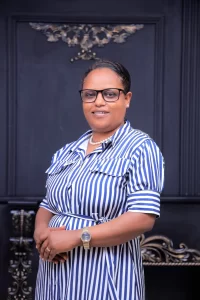
 What inspired you to work in health in Africa?
Contributing to improved diagnosis and treatment has motivated me to pursue health research, with a particular focus on enhancing the efficiency of diagnostic tools for diseases like cancer and malaria through genomics and bioinformatics. These diseases are among the leading causes of death in Africa, especially in Ethiopia, where many cases are identified at advanced stages, complicating treatment. Expanding access to rapid and affordable diagnostic technologies across all levels of the healthcare system could support earlier detection and more effective treatment. At present, malaria diagnosis and treatment largely depend on conventional methods, which limits efficiency. Furthermore, the growing issue of drug resistance requires careful management to avoid worsening health outcomes. The above mentioned stuation inspired me to be part of the solution in harnessing technology for the better future in health in Africa.
What is one success you’re proud of?
The success that I proud is the capacity building that I made in the Bioinformatics training. Since 2019, I have been actively engaged in capacity building in bioinformatics. I organize annual training workshops in collaboration with partners, the Community of Practice of Bioinformatics at BecA, and H3ABioNet, Bio and Emerging Technology (BETIN), the Africa BioGenome Project ( AfricanBP) . These capacity-building initiatives have impacted more than 300 young scientists, graduate students, and researchers from public universities and research centers across the country.
Many graduate students have demonstrated significant improvement in their skills, with several applying bioinformatics approaches in their research projects, contributing to scientific outputs, and advancing their academic and professional careers
What’s the hardest part of your work as a woman in health leadership? How are you tackling it?
Balancing multiple professional and personal responsibilities has been one of the most demanding aspects of my life. As a mother of three and a wife within the Ethiopian socio-cultural context, I manage significant family duties alongside a rigorous academic and leadership career. I serve as an instructor at BSc, MSc, and PhD levels, mentor graduate students, and lead several nationally and internationally funded research projects. I have also held leadership roles such as Department Chair and School Dean.To manage these responsibilities, I rely on prioritization, delegation, and collaboration, which help me stay organized and work effectively with others. These strategies ensure that tasks are completed efficiently and shared appropriately. Equally important is my strong personal support system. My husband, children, and extended family provide continuous encouragement, understanding, and practical assistance, enabling me to maintain balance and remain committed to excellence in both my professional and family life.
What change do you want to see in the next 5 years?
Over the next five years, I envision a transformed and integrated diagnostic system for diseases such as cancer and malaria across Africa. This would involve the development and broad implementation of rapid, accurate, and affordable diagnostic tools, especially at community and primary healthcare levels. Strengthening early detection will improve treatment outcomes and help reduce the overall burden of disease on individuals, families, and healthcare systems.
Besides, I hope to witness the creation of a more enabling and inclusive environment for women researchers. This means increased access to opportunities, resources, mentorship, and equitable policies that support their professional growth. I also strongly advocate for greater representation of women in leadership positions, where they can actively contribute to decision-making, innovation, and shaping the future of research and healthcare.
What advice do you have for women chasing their dreams working in health?
I encourage women researchers to embrace work-life balance, collaboration, prioritization, and delegation as tools to pursue their dreams. Never give up – keep the momentum, because you are not alone in this journey. Your hardest work, dedication, and commitment will pay off, and every step forward brings you closer to achieving your goals. Remember, supporting one another and staying focused on your vision can transform challenges into opportunities for success.